


Bunny Travel Checklist: What to Pack for Short Trips
姜琬婷
Short trips can be exciting for bunny parents, but rabbits feel safest when travel is calm, familiar, and carefully prepared. Whether you are going to a vet appointment, a family visit, a short outdoor photo moment, or a weekend stop nearby, the goal is not to pack more things. The goal is to pack the right things so your rabbit can stay secure, cool, and comfortable.
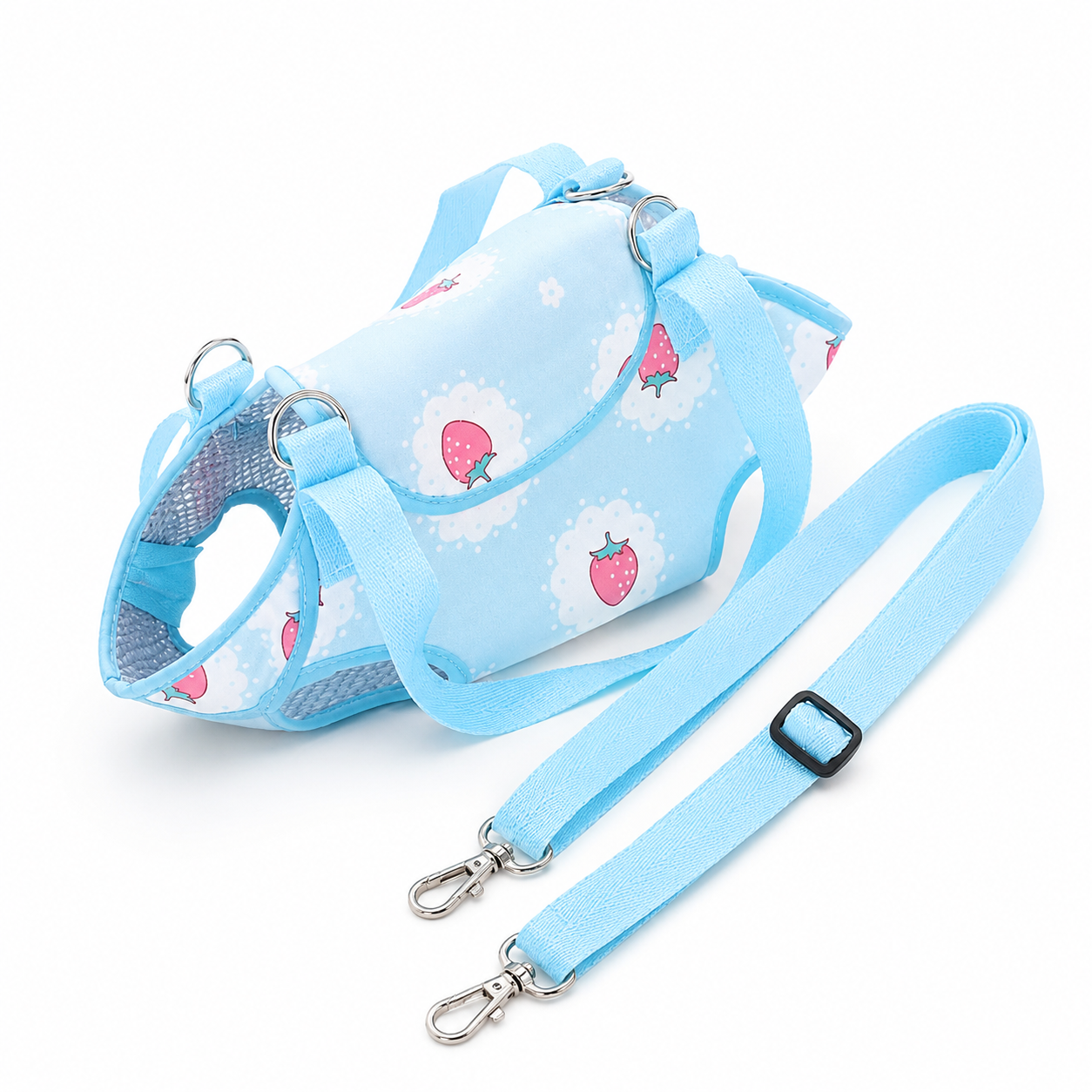
This bunny travel checklist is designed for short trips where your rabbit will be supervised the whole time. It connects naturally with two BunnySelect essentials: a secure rabbit backpack carrier harness for carrying and a soft rabbit harness and leash set for controlled moments outside the carrier.
1. Start with the right carrier
A carrier should feel like a safe little room, not a loose bag. For short trips, choose a carrier that supports your rabbit's body, keeps them contained, and lets you check on them easily. A backpack-style carrier or sling-style travel bag can be helpful when you need your hands free, but it should still feel stable and secure.
- Choose a carrier size that lets your rabbit sit naturally without being squeezed.
- Add a soft, absorbent liner so the floor does not feel slippery.
- Keep the carrier shaded and ventilated.
- Never leave your rabbit unattended in a warm car or direct sun.
2. Pack a familiar comfort layer
Rabbits relax more easily when something smells familiar. Add a small towel, fleece pad, or soft mat your bunny already knows. This can reduce stress and help them feel grounded during movement.
3. Bring hay and a small snack
Hay is the most important food to pack. Even on a short trip, rabbits need access to fiber and the comfort of normal chewing. Pack a small bundle of hay in a clean pouch or container. You can also bring a few familiar pellets or a tiny piece of bunny-safe greens if your rabbit already tolerates them well.
4. Carry water, but avoid messy bowls in motion
For very short trips, many rabbits drink once they arrive instead of during movement. Bring water from home and offer it during quiet breaks. A small bowl is often easier than a bottle for rabbits who are not trained to drink from travel bottles.
5. Use a harness only for supervised, calm moments
A harness is not a replacement for a carrier. It is for short, supervised moments when your rabbit is calm and the environment is safe. If your bunny is nervous, keep them in the carrier instead. If you do use a harness, check the fit before leaving home and make sure you can slide one or two fingers under the straps without looseness.
A soft vest-style harness can distribute pressure more gently than thin straps, especially for rabbits who are still learning. Practice at home before using it outdoors.
6. Pack a mini emergency kit
- Paper towels or wipes for small messes
- An extra liner or towel
- A small bag for used bedding
- Your rabbit-savvy vet's contact information
- A recent photo of your rabbit
- Any medication your bunny needs
7. Keep temperature control at the top of the list
Rabbits are sensitive to heat. For summer travel, use shade, ventilation, and short travel windows. Avoid midday heat when possible. If your rabbit is breathing fast, lying unusually flat, drooling, or acting weak, treat it as urgent and contact a rabbit-savvy vet.
Simple short-trip checklist
- Secure carrier
- Soft liner or familiar towel
- Hay
- Water from home
- Small snack or pellets
- Harness and leash, if your rabbit is trained and calm
- Cleanup supplies
- Vet contact information
Short bunny trips are best when they are quiet, predictable, and comfort-first. Pack around your rabbit's real needs: safety, familiar scent, stable footing, hay, hydration, and gentle handling. With the right carrier and a properly fitted harness for supervised moments, your bunny can travel with more comfort and less stress.